DL

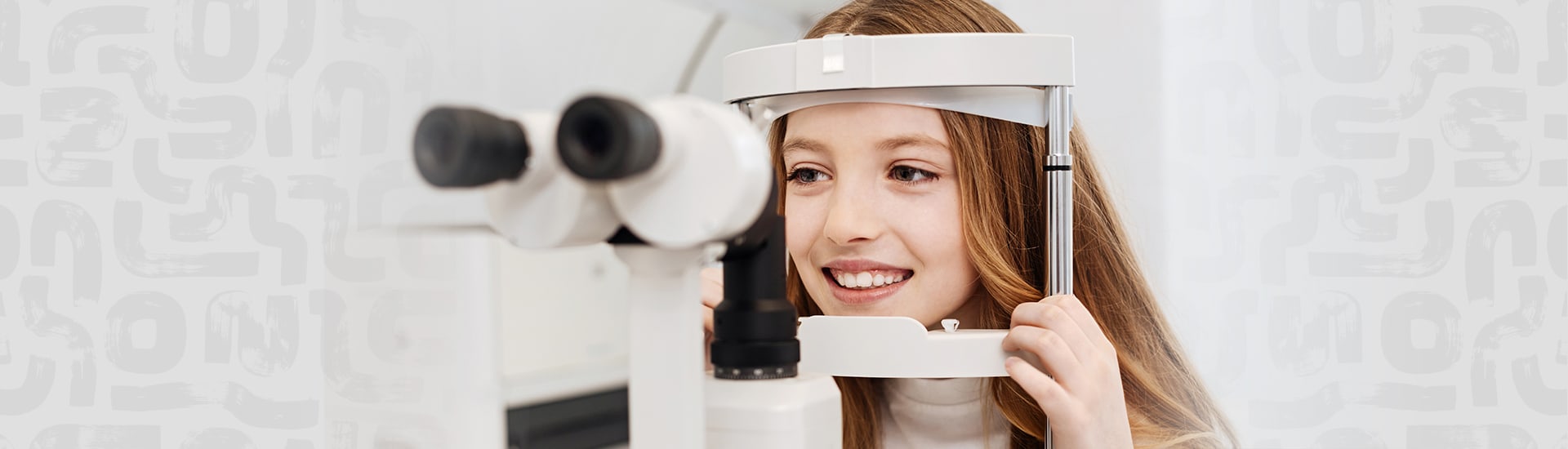
If your child keeps squinting at the whiteboard or moving closer to the TV, they might be developing myopia. And they wouldn't be alone — rates of nearsightedness in American kids are climbing, and the trend isn't slowing down. The good news is that myopia doesn't have to just be managed with a stronger prescription every year. With the right approach, we can actually slow how fast it progresses — and that matters more than most people realise. Book your child's myopia control appointment today. Myopia, or nearsightedness, is when distant objects look blurry while things up close stay clear. It usually starts during childhood, often somewhere between ages 6 and 14, and tends to get worse as kids grow. It's easy to write off as just needing glasses, but high myopia carries real risks down the line. Children with severe nearsightedness have a greater chance of developing serious eye conditions later in life, including retinal detachment, glaucoma, and macular degeneration. Getting on top of it early isn't just about seeing the board clearly today — it's about protecting their vision for decades. When a child can't see clearly, the effects ripple out further than you might expect. Struggling to see what the teacher is writing, losing track during group activities, not being able to read faces across a room — all of that adds up. Kids who can't see well can fall behind socially and academically, and their difficulties are sometimes misread as behavioral problems or attention issues rather than a vision problem. Language and speech development can even be affected, since so much of early communication is learned by watching others. Early identification changes the picture completely. When we catch myopia and start treatment while the eyes are still developing, we have the best chance of keeping it from worsening significantly. The honest answer is that researchers are still working this out. Genetics play a part — if one or both parents are nearsighted, their children are more likely to be too. But the research points to environment as well, particularly the amount of time children spend indoors focusing on screens and close-up tasks. One finding that keeps coming up: kids who spend more time outdoors tend to have slower myopia progression. Exposure to natural light and the experience of focusing on objects at a distance both seem to help. It's not a cure, but it's one of the easiest adjustments families can make in the meantime. Myopia control isn't a single treatment — it's a range of techniques aimed at slowing how quickly the eye grows, which is what drives the prescription getting worse each year. During a comprehensive eye exam, we'll assess your child's current prescription, how quickly it's been changing, and what their lifestyle looks like. From there we can talk through which approach suits them best. Options vary and what works well for one child may not be the right fit for another, which is why the exam conversation matters. The earlier we start, the more we can do. Myopia control is most effective when the eyes are still developing, so there's no benefit to waiting for the prescription to get worse before acting. Children don't always know their vision is off — they assume everyone sees the way they do. Some signs worth watching for: If any of those sound familiar, an eye exam is the right next step. If you're concerned about your child's vision, come in and talk to us. We work with kids regularly and can walk you through the options in plain terms, without the pressure to make any decisions on the spot. Jersey City — 30 Mall Drive West, Jersey City, NJ 07310 · 201-420-7733 Florham Park — 176 Columbia Turnpike, Florham Park, NJ 07932 (Trader Joe's plaza) · 973-994-1444What is myopia?
Why it matters beyond blurry distance vision
What causes myopia?
What myopia control actually involves
What to look for at home
Book a myopia control consultation in Jersey City or Florham Park

DL
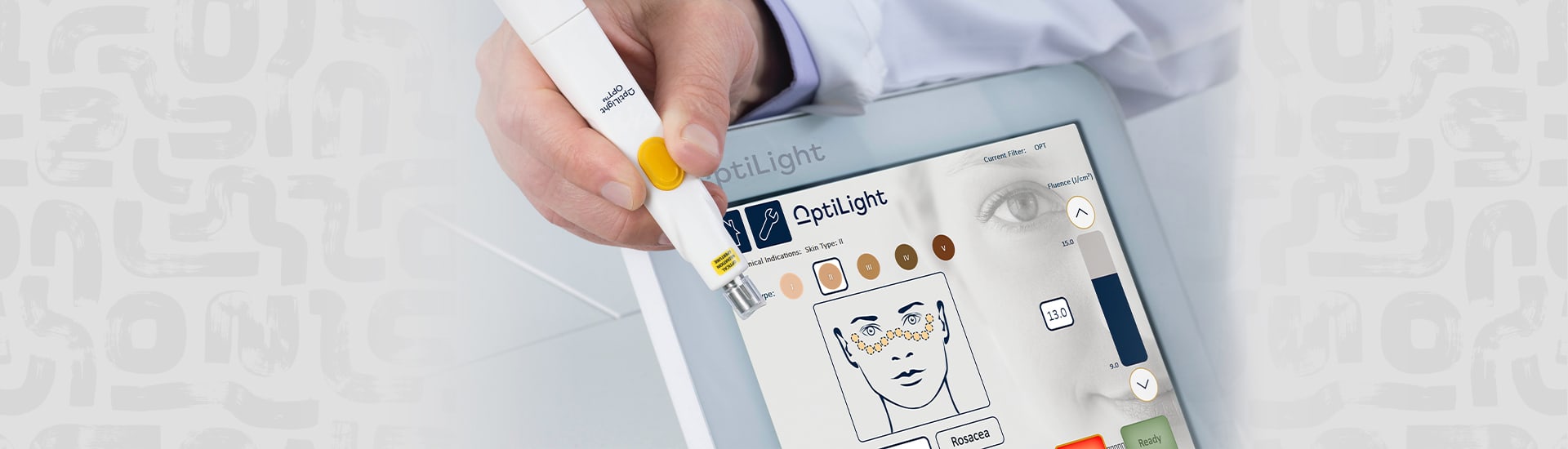
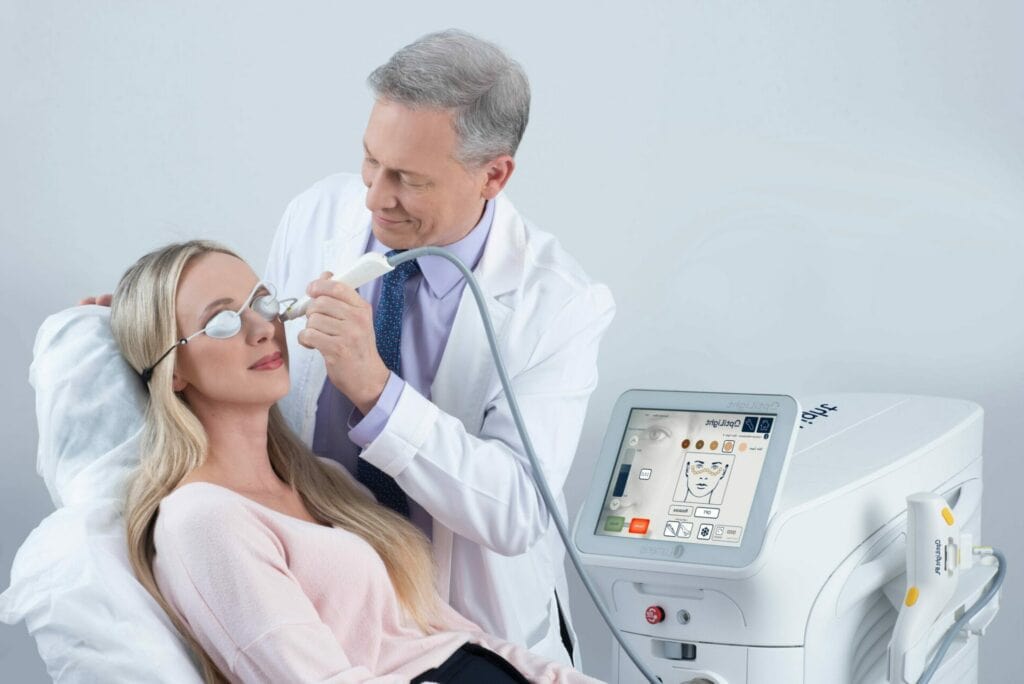
Struggling with dry eye? Schedule a dry eye evaluation and find out if OptiLight is right for you.
Book Appointment