DL
Most people book an eye exam when something feels wrong — blurred vision, eye strain, or difficulty reading. The problem with that approach is that many serious eye conditions develop without any noticeable symptoms in the early stages. By the time vision changes become obvious, the damage may already be significant. Regular adult and senior eye exams exist precisely to catch those problems before they reach that point. The American Optometric Association recommends routine eye exams at least once a year for adults, depending on age, overall health, and family history. That applies even if your vision feels fine. Age is one of the biggest risk factors for eye disease. Conditions like glaucoma, macular degeneration, and cataracts are more common in adults over 40, and all of them can progress quietly before affecting day-to-day vision. A yearly exam gives your optometrist the opportunity to detect early changes and intervene before they become harder to manage. If you have diabetes, a family history of eye disease, or existing vision conditions, more frequent visits may be appropriate. A comprehensive adult eye exam covers more than your prescription. We assess the health of your eyes from the front structures to the retina, looking for signs of disease, pressure changes, and structural abnormalities. At Cohen's Fashion Optical, we use a range of diagnostic technologies to support that assessment: Optos Optomap captures an ultra-widefield image of the retina, allowing us to see a much larger portion of the back of the eye in a single scan. This makes it easier to detect retinal tears, haemorrhages, and early signs of macular disease. OCT (Optical Coherence Tomography) scans produce detailed cross-sectional images of the retinal layers. This is particularly useful for monitoring conditions like macular degeneration and glaucoma, where changes in retinal thickness are clinically significant. Visual field testing checks your peripheral vision, which is often the first thing affected by glaucoma. Because people rarely notice peripheral vision loss until it is advanced, this test provides information that a standard vision check cannot. Tonometry measures the pressure inside your eye. Elevated intraocular pressure is a key risk factor for glaucoma and is checked as part of every comprehensive exam. Glaucoma is a group of conditions that damage the optic nerve, usually as a result of elevated eye pressure. It is one of the leading causes of irreversible vision loss worldwide, yet early-stage glaucoma produces no pain or noticeable symptoms. Regular monitoring is the only reliable way to catch it in time. Cataracts develop when the natural lens of the eye becomes cloudy, gradually reducing vision clarity. They are extremely common in older adults and, while treatable with surgery, benefit from early detection so patients can plan accordingly. Age-related macular degeneration (AMD) affects the central part of the retina and can make reading, driving, and recognising faces increasingly difficult. Early AMD often has no symptoms, which is why retinal imaging is so valuable in routine exams. Diabetic eye disease covers a range of conditions, including diabetic retinopathy, that develop as a complication of diabetes. Uncontrolled blood sugar damages the small blood vessels in the retina, and the effects can be severe if left undetected. Patients with diabetes should have their eyes examined at least annually. Eye health is not managed by exams alone. Nutrition plays a documented role in reducing the risk of conditions like macular degeneration and glaucoma. We can recommend evidence-based supplements where appropriate, including omega-3 fatty acids, MacuHealth, and Vitreous Health formulations. We also provide dietary and lifestyle guidance — advising on the vitamins, minerals, and nutrients most relevant to your eye health profile. This sits alongside clinical monitoring as part of a longer-term approach to preserving your vision. Whether you are due for a routine check or have not had an exam in a few years, there is no better time to get a clear picture of your eye health. The team at Cohen's Fashion Optical sees patients at locations in Jersey City and Florham Park. Book your appointment today and take a proactive step toward protecting your vision for the long term.How Often Should Adults Have an Eye Exam?
What We Look For During an Exam
Eye Conditions We Commonly Manage
Nutritional Support for Long-Term Eye Health
Book Your Exam in Jersey City or Florham Park

DL
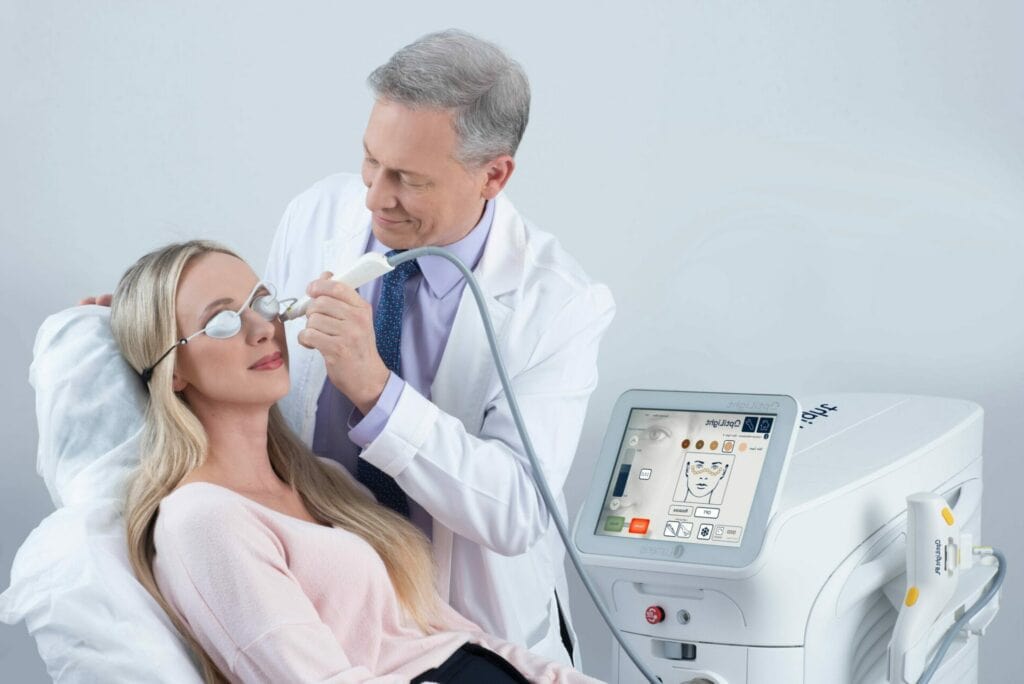
Struggling with dry eye? Schedule a dry eye evaluation and find out if OptiLight is right for you.
Book Appointment