DL
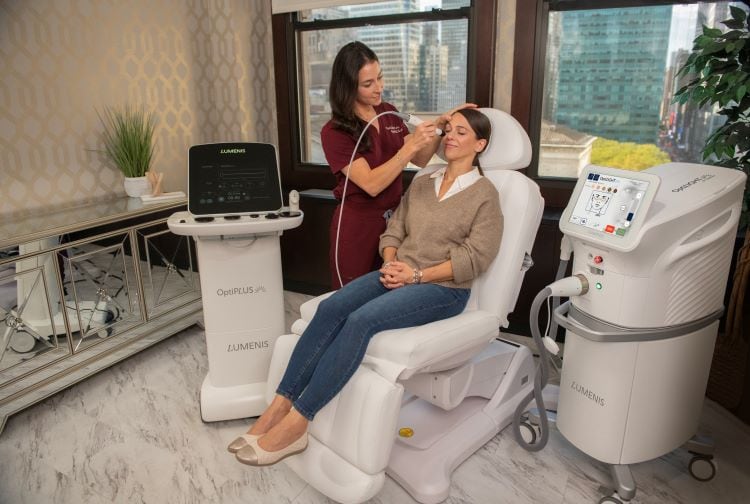
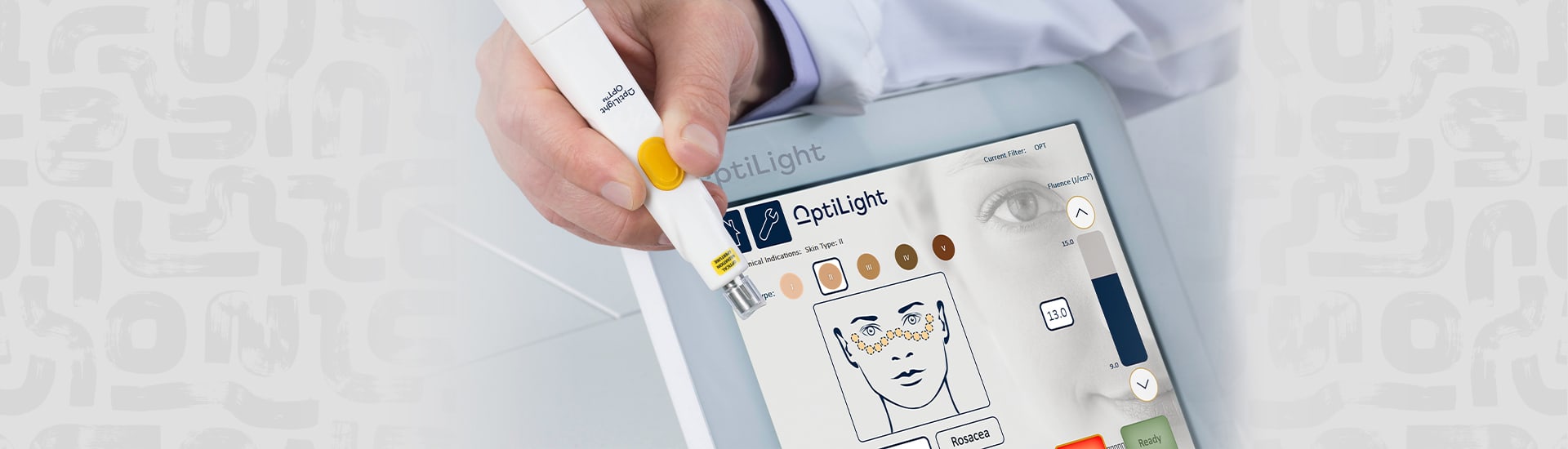
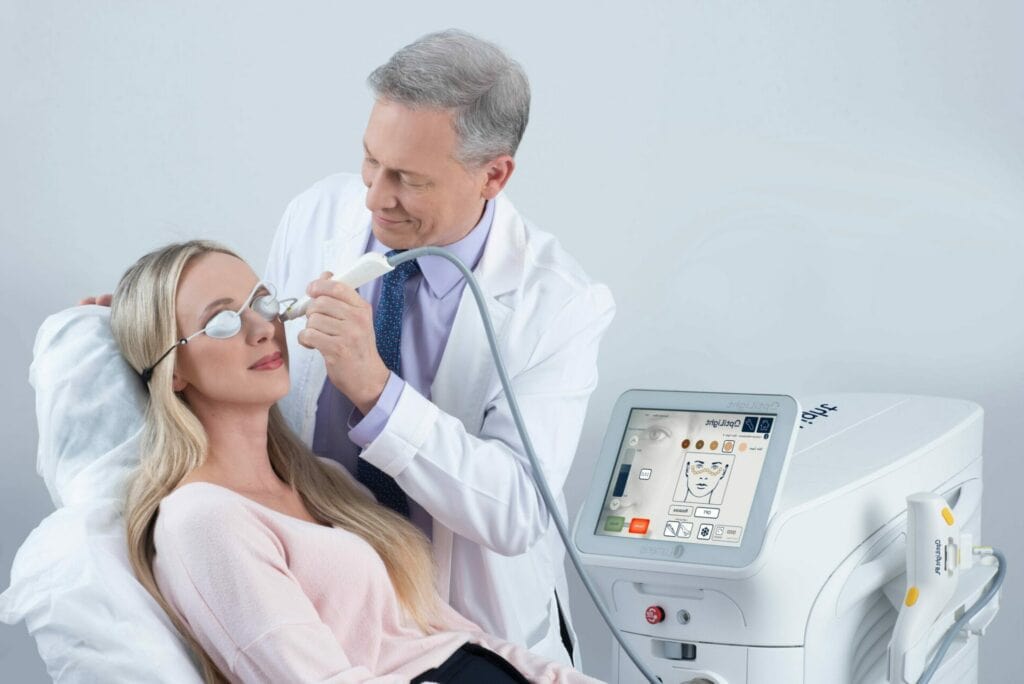
Dry eye is one of the most common eye conditions in the US, affecting millions of people. Yet it often goes unmanaged for years — either because symptoms seem minor enough to ignore, or because people assume nothing can be done beyond over-the-counter drops. Neither is quite right. Dry eye is a clinical condition with identifiable causes, measurable signs, and a range of effective treatments. Here is what you need to know. Dry eye occurs when there is a problem with the quality or quantity of your tears. Your tear film has three layers — oil, water, and mucus — and a disruption to any of them can leave your eyes inadequately lubricated. This leads to the symptoms most people recognise: burning, redness, grittiness, and intermittent blurred vision. Some patients also report difficulty wearing contact lenses or increased sensitivity to light. What surprises many is that watery eyes can also be a dry eye symptom — the eye overproduces tears in response to irritation, but those tears do not do much to solve the underlying problem. Dry eye does not affect everyone equally. Age is one of the strongest predictors, as tear production naturally declines over time. Women are also more commonly affected, particularly around menopause, due to hormonal changes that influence tear composition. Environmental factors play a role too — low humidity, prolonged screen time, air conditioning, and wind can all worsen symptoms. Certain medical conditions and medications are associated with reduced tear production, as is extended contact lens wear. If several of these apply to you, it is worth having your eyes assessed, even if symptoms feel mild. Two conditions are closely linked to dry eye and are part of every assessment we carry out. Meibomian gland dysfunction (MGD) is a blockage or abnormality in the small glands along your eyelid margins that produce the oil layer of the tear film. Without adequate oil, tears evaporate too quickly. MGD is one of the most common underlying causes of dry eye and can be present without causing obvious symptoms early on. Blepharitis is inflammation of the eyelids, usually at the base of the lashes. It disrupts the eyelid environment and contributes to tear film instability. Like MGD, it tends to be chronic and benefits from consistent management rather than one-off treatment. Identifying these conditions early gives us more options and better outcomes. Diagnosis involves a combination of clinical tests. We use LipiScan imaging to examine the meibomian glands directly — it gives us a detailed view of gland structure and helps identify dysfunction that would otherwise be difficult to detect. We also measure tear break-up time to assess how quickly your tear film deteriorates, use tear staining techniques to check the surface of the eye, and can run InflammaDry testing to detect inflammatory markers in your tears. Together, these give a clearer picture of what is driving your symptoms. There is no single treatment for dry eye because the causes vary. Management is usually ongoing rather than a one-time fix, and it often combines approaches. OptiLight IPL (intense pulsed light) is an in-office treatment that targets inflammation around the eyelids and improves meibomian gland function. It is particularly effective for patients whose dry eye is driven by MGD or rosacea-related inflammation. Meibomian gland expression is a procedure to manually clear blocked glands, allowing them to secrete oil normally again. It is often used alongside LipiScan findings to address specific areas of obstruction. At-home strategies remain part of most treatment plans. These include warm compresses, lid hygiene routines, and lubricating eye drops — both prescription and non-prescription. The right drops depend on what component of your tear film is deficient. If you experience persistent eye discomfort, frequent redness, or contact lens intolerance, a dry eye assessment is a reasonable next step. Dry eye is a progressive condition in many patients, and earlier intervention generally produces better long-term results. Cohen's Fashion Optical offers dry eye assessments at locations in Jersey City and Florham Park. Book an appointment to find out what is driving your symptoms and what treatment options are available to you.What Dry Eye Actually Is
Who Is at Risk
The Conditions We Look For
How We Diagnose Dry Eye
Treatment Options
When to Get Assessed

DL
Struggling with dry eye? Schedule a dry eye evaluation and find out if OptiLight is right for you.
Book Appointment