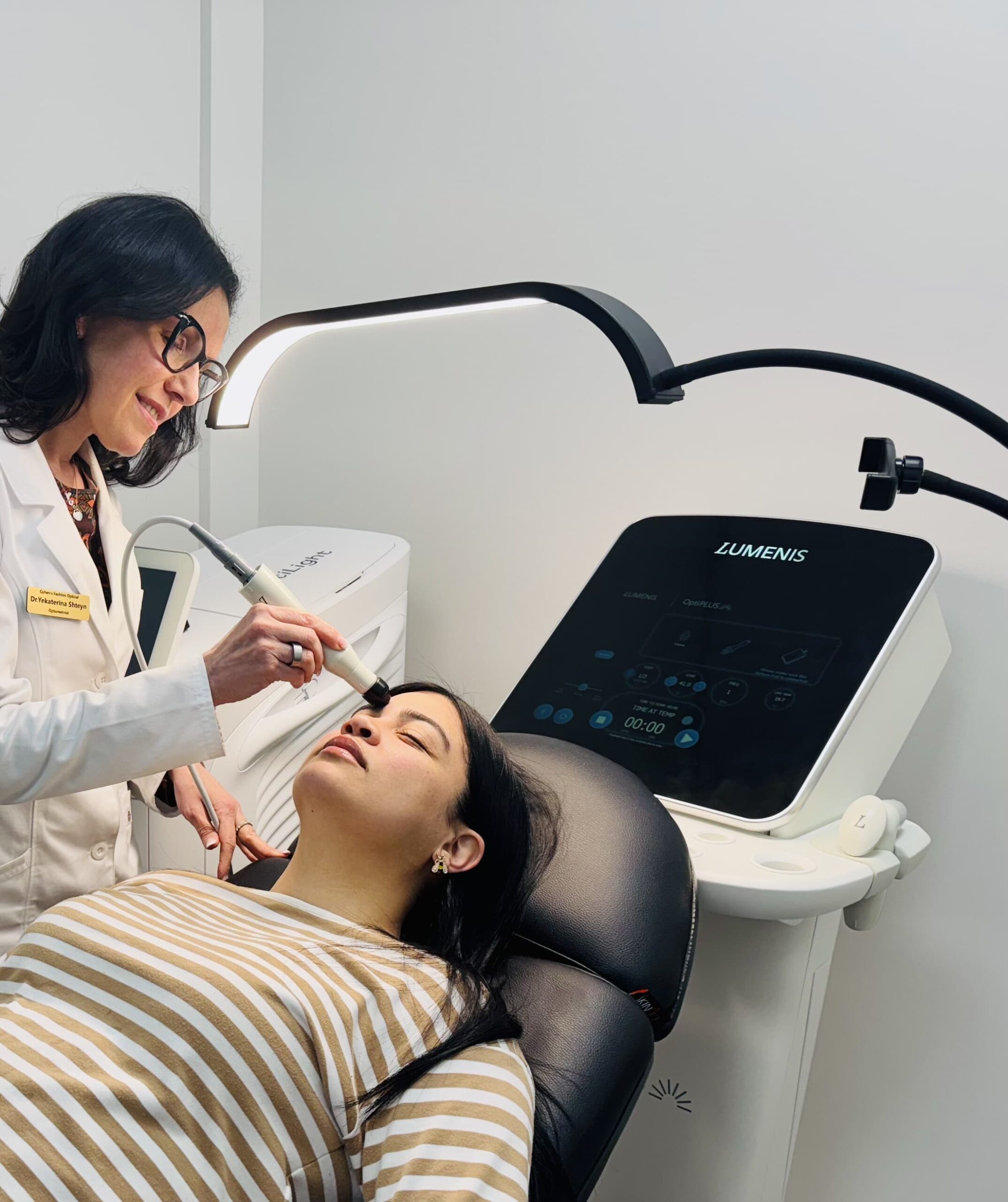
Y.S
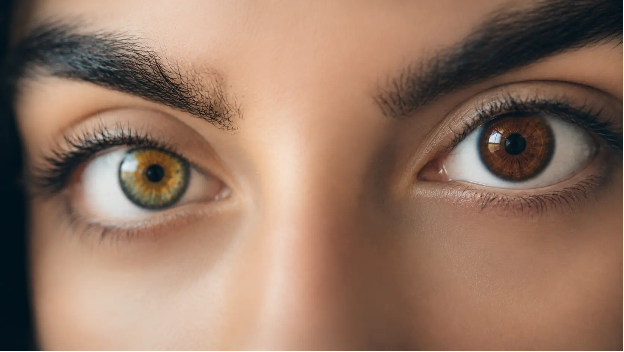
Heterochromia can be striking, especially one eye is noticeably lighter or darker than other. In people though it is simply part of how their eyes develop. They have always looked that way their vision is normal. Nothing needs to be fixed. The useful question is not how to change or treat the color difference. It is whether the difference has always been there whether it is changing and whether anything else is happening with the eyes at the time. If your eye color has been stable for years caring for heterochromia is usually very straightforward. If the change is new that is when an eye exam matters more. Heterochromia is the term used when the irises are not the color. The colored part of the eye surrounding the pupil is the iris and the appearance of the iris is mostly due to the way pigment is arranged in it. The difference can be obvious or quite subtle. Some people have one eye that's a completely different color from the other. Others have a patch of color within one iris or a contrasting ring around the pupil. With heterochromia each eye is a different color. Sectoral or partial heterochromia affects one section of an iris while central heterochromia creates a different-colored ring close to the pupil. These are descriptions of appearance, not measures of how someone can see. A person can have any of these patterns. Still have healthy eyes and normal vision. There is no daily routine required just because the irises are different colors. If the heterochromia has already been assessed and is stable normal eye care is usually enough. That means protecting the eyes when there is a risk of injury following any treatment properly and keeping up with eye exams at intervals appropriate for your age and eye health. What is more important is knowing your baseline. If one eye has always been brown. The other has always been hazel that long-term stability is useful information. A new change is different. Deserves more attention. If one iris starts becoming lighter or darker after an eye injury or alongside pain, redness, blurred vision, unusual light sensitivity, a change in pupil size ora drooping eyelid arrange an eye examination. Sudden sight changes or significant trauma may need emergency eye care than a routine appointment. A detailed eye exam can look beyond the color of the iris. See if the rest of eye is healthy. Usually, no. The color difference on its own won't make one eye see better or worse than the other. But it can sit alongside something else going on in the eye, and that part does matter. Say your vision goes blurry, or the eye starts to ache, or bright light suddenly bothers you that's coming from whatever's causing the trouble, not from the color of your iris. Eyes that have always been two different colors, with normal sight, are rarely a worry. A new color change is a different story, especially if your vision has shifted at the same time. Get it looked at. It can be. Some people are born with differences in iris pigmentation that're simply part of their genetics. In some families the trait may appear in one person while in others it occurs without any obvious family pattern. Eye color is not controlled by a brown eye" or "blue eye" gene. Several genes influence how much pigment develops and where that pigment is distributed. Not every case is genetic, however. Heterochromia can also develop later because of eye injury, inflammation, certain eye conditions or some medications. A color difference that turns up after birth is called acquired heterochromia. Most causes are nothing serious, though that's not something to assume without an eye exam. An injury can do it. So can inflammation inside the eye, certain types of glaucoma, and a few of the drops used to treat glaucoma some of those are well known for darkening the iris over months of use. Treatment goes after whatever caused it. Nobody's trying to match the two colors back up; that usually can't be undone. Eye Disease Diagnosis & Management Parents usually spot it early, sometimes in the first few months. In most children the color stays exactly as it is and never causes a problem. Still worth mentioning at the next appointment though, if nobody has looked at it properly yet. An eye test for a child covers more than color anyway how well they see, whether both eyes are developing at the same rate, general health of the eye. That's the part that tells you whether the color difference is on its own or tied to something else. Plenty of people are happy with eyes that don't match and leave it alone. Others get tired of it, usually in photos. Colored contact lenses will even take things out. They're still contact lenses though. People buy them online like sunglasses and that's where problems start with anything sitting on the surface of your eye needs to fit properly and be kept clean, whether or not there's a prescription in it. So, book a contact lens exam and fitting first. Eyes that have looked this way for as long as you can remember, already checked once, no change since routine eye care covers it. Nothing more needed. What changes that is anything new. A color difference that wasn't there before, or one that's been creeping in slowly. Anything that started after a knock to the eye. And book sooner if it comes with blurred vision, pain, redness or sensitivity to light. A pupil that's changed size alongside the color is the one to take seriously; that gets seen quickly rather than at your convenience. For children, the same applies if nobody has ever looked at it. No, it's a description rather than a diagnosis of two irises that don't match in color. The reason an eye test gets suggested isn't the color itself. It's to check nothing else is behind it. Most people are born with it. The iris just develops with uneven pigment, and genetics usually explains the rest. It can also turn up later after an injury, or from inflammation, illness, or a handful of medications but none of that is something you'd choose to bring on. If the look is what you're after, get cosmetic lenses fitted properly by an optician. Not if it is simply a pigmentation difference and the eyes are otherwise healthy. Treatment is only needed when an underlying condition is found and in that case the goal is to treat the condition than the eye color. Yes, provided the lenses suit their eyes and have been fitted properly. Most people go with corrective lenses though colored ones are an option too. For people heterochromia is just how their eyes look and there’s nothing to worry about. If one eye changed color suddenly of being that way since birth mention it at your next eye test. The main thing is to know what is normal for you. If the color difference has always been there and remains unchanged routine eye care is usually enough. If one iris begins to change or if visual or eye symptoms appear, that is the point in having it checked. At Cohens Fashion Optical our team provides eye examinations and eye-health assessments in Jersey City and Florham Park. If you have noticed a change in eye color or want reassurance, about your eye health book an eye exam. We can take a closer look. closer look. What is heterochromia?
The Main Types

How to care for heterochromia eyes
Does heterochromia affect vision?
Is heterochromia genetic?
What if your eye color changes later in life?
Heterochromia in children
Can you change how heterochromia looks?
When should heterochromia be checked?
FAQ
Is heterochromia a disease?
How do you get heterochromia?
Does heterochromia need treatment?
Can someone with heterochromia wear contact lenses?
Different eye colors are usually nothing to worry about

Y.S
Struggling with dry eye? Schedule a dry eye evaluation and find out if OptiLight is right for you.
Book Appointment