YS
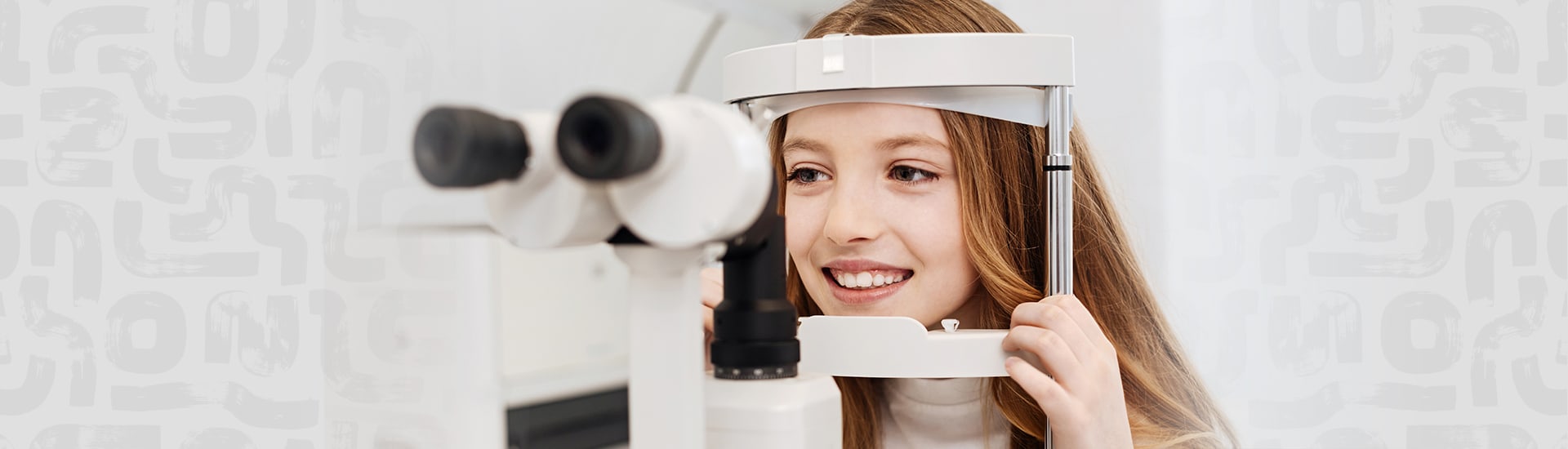
Glasses are great — but they're not for everyone, and they're not for every situation. If you've been curious about contacts, or if you've worn them before and want to revisit the option, the first step is a contact lens exam and fitting with one of our optometrists. It's a straightforward process, and it opens up more options than most people expect. Here's what you need to know. Book your contact lens exam today. Before we can fit you for contacts, we need a full picture of your eye health. A comprehensive eye exam lets us check your prescription, assess the health of your eyes, and determine whether contacts are a suitable option for you. Most people are good candidates. But there are some conditions that can affect whether standard contacts will work well, including dry eye, eye allergies, and a history of repeat eye infections. The good news is that even if one of those applies to you, it doesn't automatically rule out contacts. Specialty lenses exist for exactly these situations, and we can talk through what might work. The most common lenses correct nearsightedness (myopia), farsightedness (hyperopia), and astigmatism. For most people, one of these standard options will do the job perfectly well. But we also fit patients in specialty lenses for more specific needs. These include: Multifocal contacts — for people who need correction at both near and far distances, often used as an alternative to reading glasses for those with presbyopia. Toric contacts — designed specifically for astigmatism, with a shape that stays correctly oriented on the eye. Aspheric contacts — these have a more gradual curve than standard lenses and can reduce the glare and halos some people notice, particularly in low light. Acuvue Oasys MAX 1-Day — a daily disposable lens with built-in blue light filtering and moisture technology, a good option for people who spend long hours on screens. Prescription colored contacts — yes, you can change your eye color and correct your vision at the same time. These require a proper fitting just like any other lens. MiSight for kids — a daily disposable lens clinically proven to slow the progression of myopia in children. If your child has been diagnosed with nearsightedness that's getting worse year on year, this is worth asking about. If we spot a specific condition during your exam, we'll let you know which type of lens would suit you best. Contacts sit directly on the cornea, so how you care for them matters. Serious eye infections can develop when lenses aren't used properly — and most of them are entirely preventable with a few habits. Here's what we recommend to all our contact lens patients: These aren't complicated, but they do need to be consistent. Most people who run into problems with contacts do so because they're cutting corners on one of these. Whether you're new to contacts or returning to them after a break, we'll make sure you're fitted properly and comfortable with how to care for them before you leave. Our teams at both Jersey City and Florham Park are here to help. Book your contact lens exam and fitting today. Jersey City — 30 Mall Drive West, Jersey City, NJ 07310 · 201-420-7733 Florham Park — 176 Columbia Turnpike, Florham Park, NJ 07932 (Trader Joe's plaza) · 973-994-1444It starts with a comprehensive eye exam
Not all contact lenses are the same
Keeping your eyes healthy in contacts
Ready to make the switch?

YS
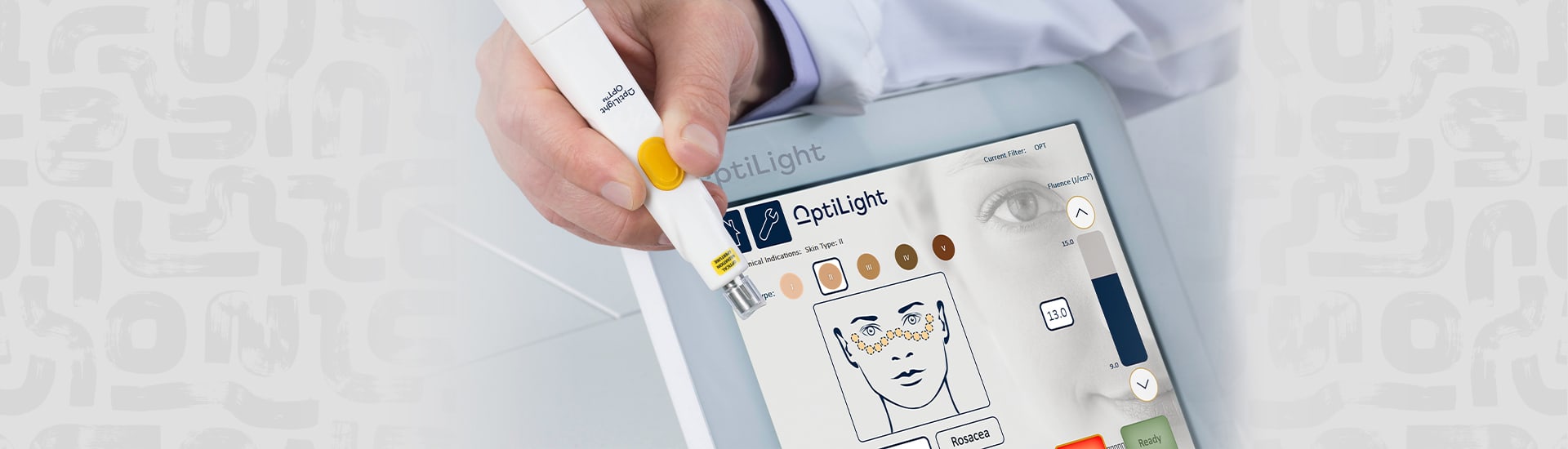
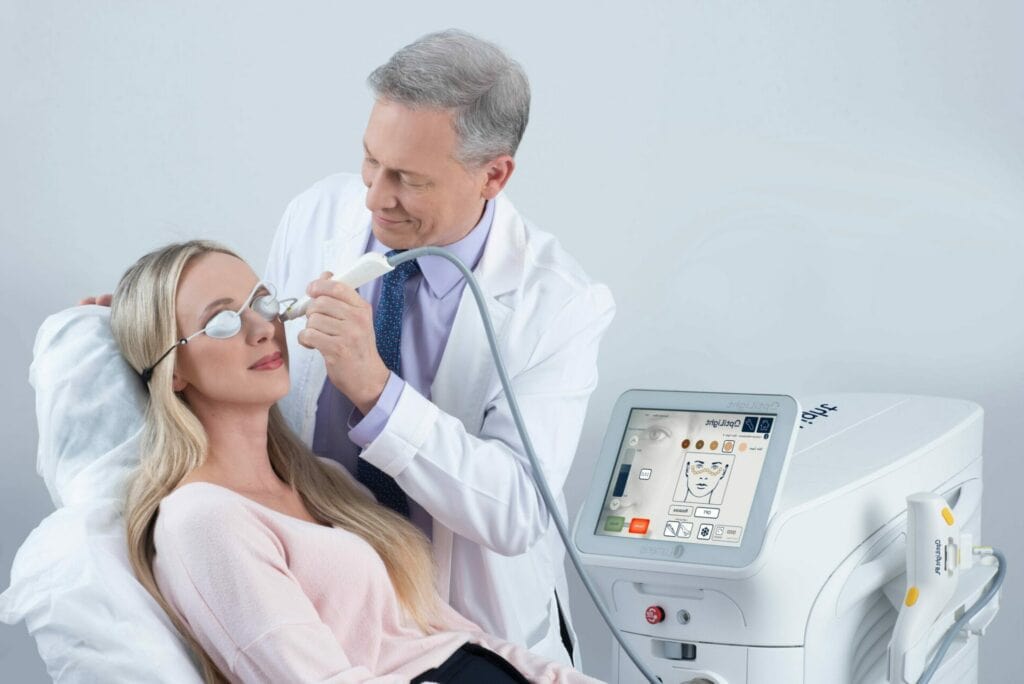
Struggling with dry eye? Schedule a dry eye evaluation and find out if OptiLight is right for you.
Book Appointment